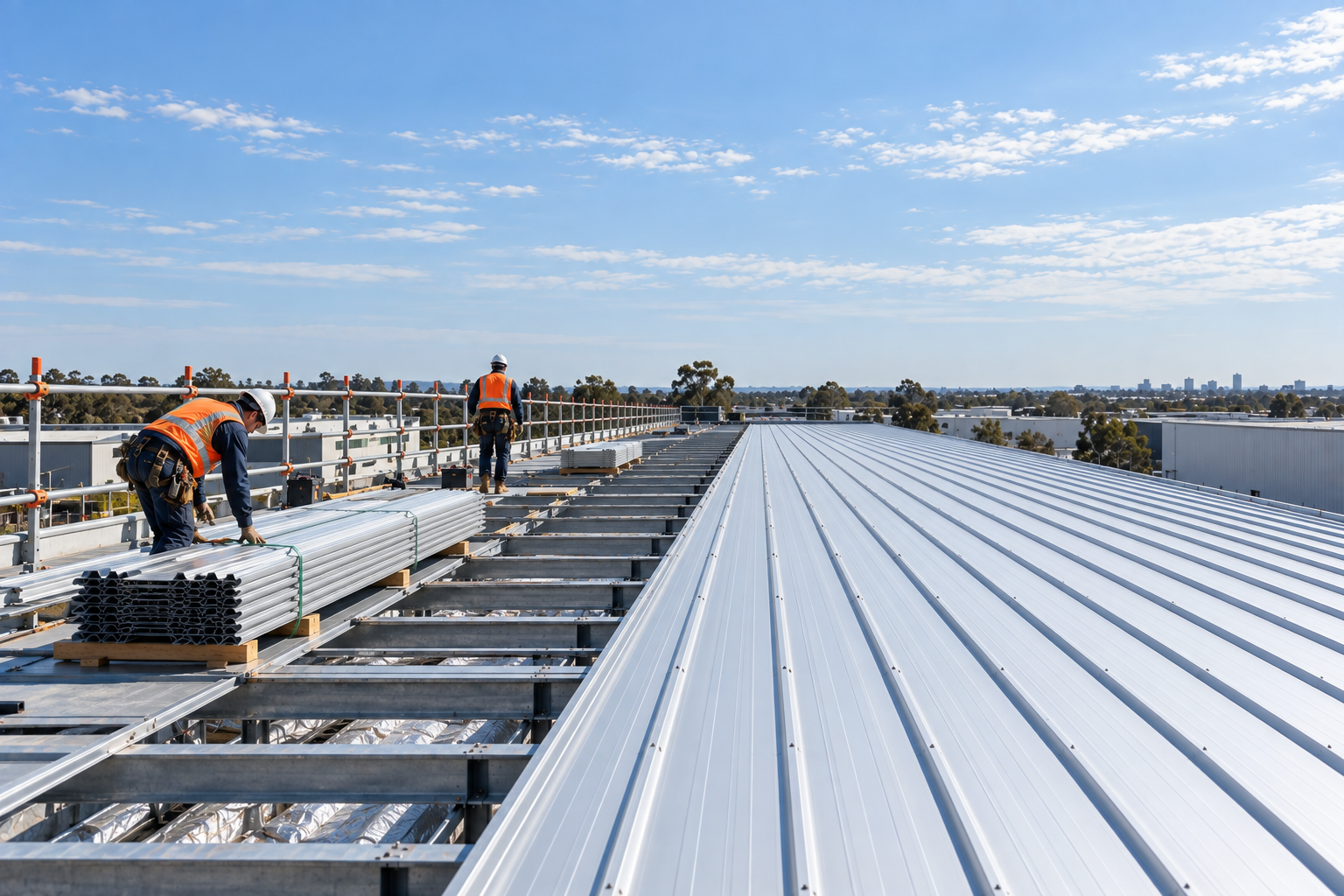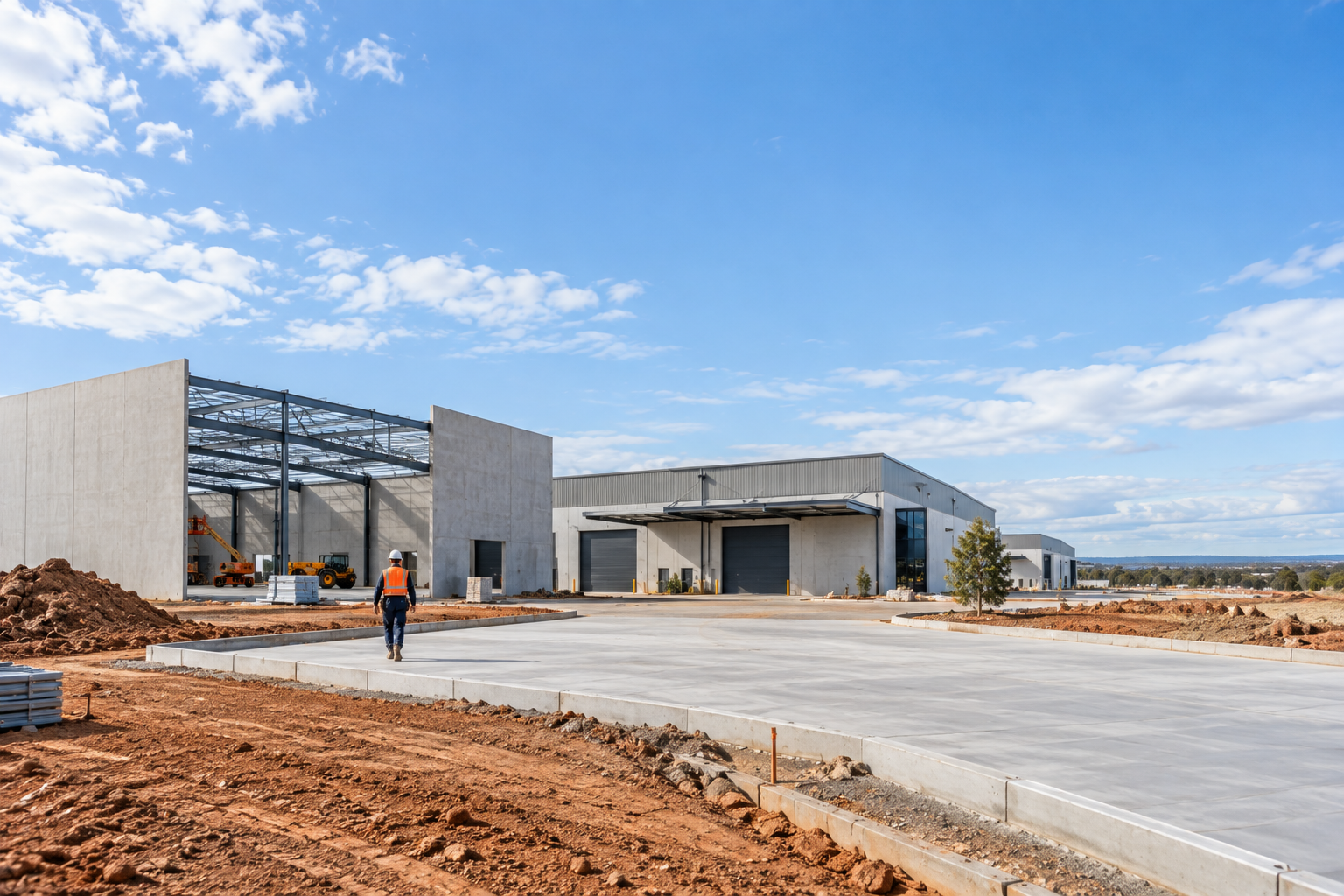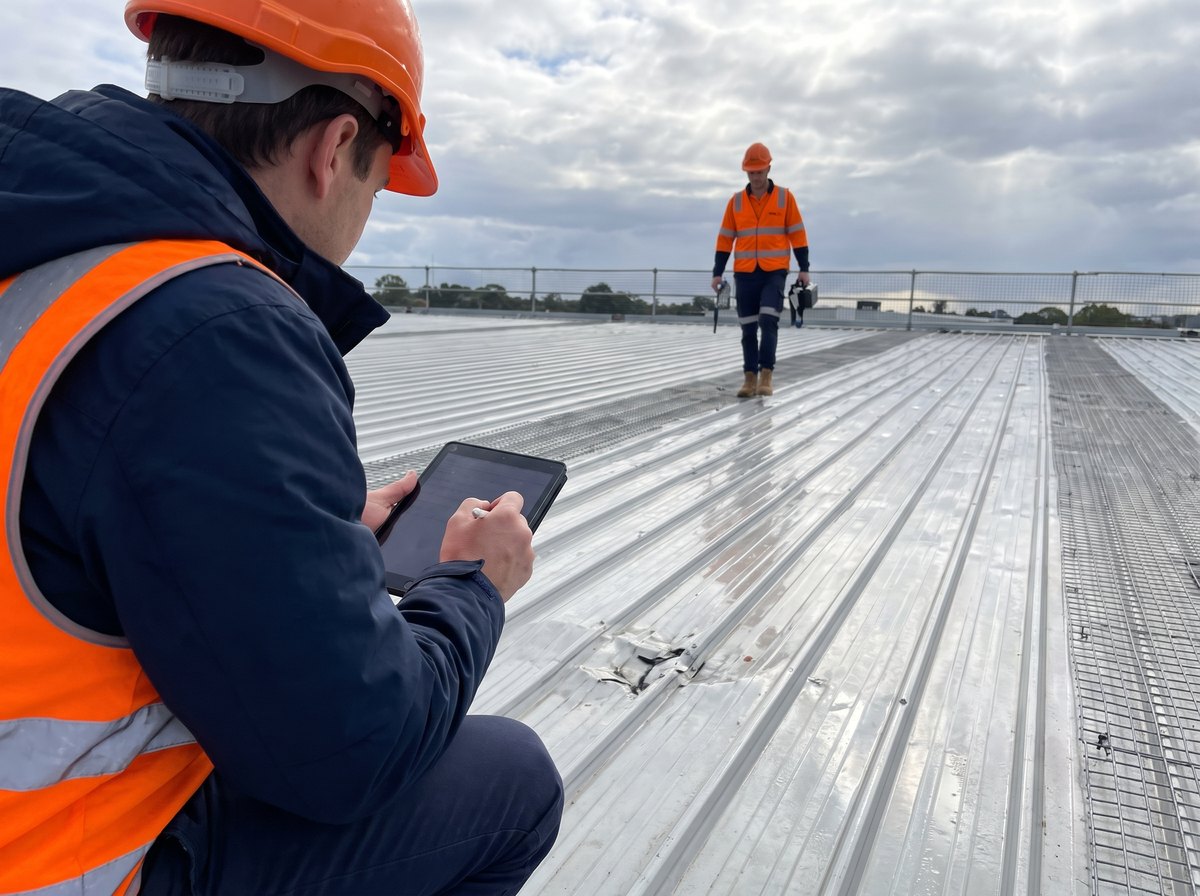


Many commercial tenants in Sydney leave their end of lease fitout removal obligations until the final weeks of a tenancy. By then, pressure from landlords is mounting, timelines are compressed, and the margin for error is slim. Mismanaging make-good obligations can lead to lease disputes, withheld bonds, and remediation bills that far exceed what a planned, properly managed strip-out would have cost.
The scope of what you're actually required to remove and reinstate varies considerably: by the wording of your lease, by the size of your tenancy, and by whether asbestos or other regulated materials are present in the building. There is no single industry standard that applies across the board. What matters is what your lease says, and whether you have a contractor who knows how to deliver it compliantly.
At Gladison Constructions, we handle commercial strip-outs and tenancy make-good works across Sydney and NSW, managing everything from defit trades and asbestos coordination through to surface reinstatement and waste compliance. This guide covers what make-good actually means, what it costs, the asbestos obligations you cannot sidestep, a practical handover checklist, waste disposal rules, and how to select a contractor who won't leave you exposed.
What "make-good" actually means under a commercial lease
Many tenants assume make-good is just a thorough clean and a coat of paint. It is rarely that simple. Make-good is a lease obligation, not a standard industry practice, and the exact scope is determined entirely by the lease wording. Some leases require only the removal of loose property and repair of obvious damage, while others require a full return to base building condition, including reinstating carpet, ceiling tiles, lighting, air-conditioning, fire systems, and the original structural layout. That distinction matters enormously for both cost and timeline.
What landlords commonly require tenants to remove or repair
Standard obligations found across most Australian commercial leases include removing tenant-installed partitions, built-in joinery, signage, shelving, counters, fittings, and floor coverings. Tenants are typically required to repair damage caused by installing or removing the fitout, repaint surfaces, arrange professional cleaning, and restore any layouts or base building services altered during the tenancy. "Fair wear and tear" is a real concept, but it is not a broad excuse. Landlords routinely dispute its scope, for example, rejecting a repaint as insufficient when the lease required a return to the original colour palette, and vague claims rarely hold up when premises are returned in poor condition.
Why the lease wording determines everything
Before you engage any contractor, pull your lease and read the make-good and reinstatement clauses carefully. The lease tells you what must be removed, what can stay, and what condition must be achieved by handover. If the lease references the original condition report or fitout drawings, those documents become part of your obligation. Misreading the make-good clause is the single most common source of end-of-lease disputes, and by the time you discover the disagreement, you may already be paying holding costs on a tenancy you've vacated.
End of lease fitout removal costs in Sydney
Cost is the first thing most tenants want to understand, and the answer depends heavily on lease scope, fitout complexity, and asbestos status rather than floor area alone. That said, there are clear cost bands that apply across the Sydney market in 2026.
For small tenancies up to 100 m², strip-out and make-good typically runs between $35 and $350 per m², with lighter strip-outs landing in the low thousands and full reinstatement jobs pushing past $10,000.
For medium tenancies between 100 and 500 m², expect $45 to $200 per m² for typical strip-out and reinstatement work, rising to $350 per m² for full make-good. Costs in this bracket commonly run well into the tens of thousands.
For large tenancies over 500 m², the range sits between $55 and $350 per m², with full reinstatement on complex sites capable of reaching six figures.
These ranges reflect current Sydney market pricing and will vary depending on the specific make-good scope defined in your lease. Contact our Sydney team for a fixed-scope quote tailored to your tenancy.
What drives the price up
The presence of asbestos is the single biggest budget variable on older Sydney commercial sites. Beyond that, cost is driven by the number of licensed trades required (electricians, HVAC technicians, plumbers), the volume of built-in joinery, structural reinstatement work, tight lease timelines that require parallel or after-hours trade scheduling, and waste disposal obligations for regulated materials. Skipping an asbestos assessment before quoting is a common trap that produces variation claims mid-job, exactly the kind of surprise a departing tenant cannot afford.
Getting a quote that reflects the actual scope
Share the make-good clause and any incoming condition report with every contractor before requesting an end of lease fitout removal quote. A quote based on a site walk alone, without reference to the lease, will almost certainly miss scope items and generate variations later. A well-prepared quote lists every scope item individually: strip-out, trades, asbestos management, waste disposal, surface repairs, and final clean. Lump-sum quotes with no breakdown are a red flag in this space.
Asbestos and safety obligations you cannot ignore
Asbestos is commonly found in commercial buildings constructed before 1990 across Sydney. It is not someone else's problem. If asbestos is disturbed during a strip-out without the right licence and controls in place, the legal and financial consequences fall on both the contractor and the building occupant.
Identifying asbestos risk in older commercial buildings
Asbestos is frequently present in floor tiles, ceiling tiles, wall sheeting, pipe insulation, and fire-rated cladding in pre-1990 commercial buildings. Before any strip-out work begins, an asbestos assessment should be carried out by a qualified assessor. The results determine whether a licensed removalist is required and what safety controls must be in place during the defit. Treating this step as optional is both legally wrong and financially dangerous.
End of lease fitout removal: asbestos licensing under SafeWork NSW
SafeWork NSW requires a Class A asbestos removal licence for any friable (high-risk) asbestos, and a Class B licence for the removal of more than 10 m² of non-friable (bonded) asbestos. Note that limited low-risk exemptions apply for very small quantities of non-friable material, obtain a professional asbestos assessment before assuming any removal falls outside licensing requirements. For strip-out projects involving friable asbestos or more than 10 m² of non-friable material, the licensed removalist must also notify SafeWork NSW at least five calendar days before work begins. Unlicensed disturbance carries serious penalties. Any contractor you engage must hold the appropriate licence class before touching any identified or suspected asbestos-containing material. Refer to SafeWork NSW guidance for the current licensing and notification requirements applicable to your project.
Compliance documentation your contractor must provide
After asbestos removal is complete, a reputable contractor should provide a Safe Work Method Statement (SWMS), evidence of SafeWork NSW notification where required, a clearance inspection certificate from an independent hygienist, and waste transport and disposal records confirming the material was sent to a licensed facility. These documents protect you if the landlord or a regulator asks questions after handover. If a contractor cannot produce them, walk away.
End of lease fitout removal checklist for tenants
Use this as a working reference before your contractor arrives and again before the final landlord inspection. It covers the zones and elements most likely to generate disputes if left incomplete.
Workspaces, meeting rooms, and kitchen areas
In occupied zones, strip all signage, tenant joinery, partitions, AV mounts, whiteboards, acoustic panels, cabinetry, and appliances. Patch penetrations, repair adhesive damage, and restore wall finishes to a consistent standard. In kitchen areas, licensed plumbers and electricians must disconnect fixed appliances before removal begins. Reinstate any base building cabinetry carcasses that the landlord is retaining, and leave them clean and undamaged.
Ceilings, walls, floors, and built-in joinery
Remove suspended items, ceiling-mounted hardware, and any tenant-added ceiling tiles or modifications. Fill screw holes, remove adhesive strips and decals from walls, and ensure paint finishes are left consistent across surfaces. For floors, lift bonded vinyl layers and carpet tiles that the tenant installed, repair subfloor damage if present, and arrange professional carpet cleaning where the lease requires it. Remove all built-in reception counters, storage walls, and bench extensions cleanly, and make good the surrounding surfaces immediately after removal.
Electrical, HVAC, cabling, and services
Only licensed electricians can remove fixed electrical components: lighting, dimmer switches, temporary distribution boards, and power poles. HVAC technicians must decommission any split-systems or supplementary cooling the tenant installed, and restore vents, diffusers, and controls to base building condition. Cabling removal is frequently overlooked: data runs, patch leads, Wi-Fi hardware, AV cabling, and server racks should all be traced and removed completely, with no abandoned lines left in ceiling or wall voids. Leave all base building outlets, lighting, and HVAC diffusers clean, operational, and undamaged.
Waste disposal and material compliance obligations
Fitout materials don't all go into the same skip bin. This is where tenants regularly encounter unexpected costs or compliance notices, particularly when hazardous materials are mixed with general demolition waste. Separating waste streams from the start is both a legal requirement and a practical cost control.
General construction waste, clean timber, plasterboard, carpet, and hazardous materials each need to go to the correct facility. Mixed or contaminated loads are often rejected by recycling facilities or charged at penalty rates. The categories that require specialist handling on a typical commercial strip-out include:
- Asbestos: must go to a licensed disposal facility via a licensed transport operator, with tracking documentation through the NSW EPA's Integrated Waste Tracking Solution (IWTS) for loads of 100 kg or more, or 10 m² or more of sheeting in a single load. Refer to NSW EPA guidance for current IWTS thresholds and licensed landfill requirements.
- E-waste: computers, screens, cables, and AV hardware require accredited e-waste recycling rather than general landfill disposal.
- Plasterboard and carpet: commonly recyclable if kept clean and uncontaminated with asbestos, adhesives, or other regulated materials.
- Paints, solvents, and chemicals: treated as hazardous waste and require specialist collection, not ordinary skip disposal.
Correct waste segregation also reduces overall disposal costs, so it is worth building this into your end of lease fitout removal planning from the outset. A reputable strip-out contractor in NSW will carry EPA-compliant waste documentation, including consignment notes and IWTS records, as a standard project deliverable. If yours doesn't, the compliance risk sits with you as the tenant.
How to choose a licensed strip-out contractor in NSW
The contractor you select determines how much risk you carry into handover. Getting this wrong is expensive. Getting it right means premises returned on time, in the right condition, with full compliance documentation behind you.
Licences and insurance to verify before signing
Any compliant NSW strip-out contractor should hold a current demolition licence (DE1 or DE2 where the scope warrants it), a Class A or Class B asbestos removal authorisation where relevant, public liability insurance (at least $20 million is standard on commercial sites), workers compensation cover, and a current SWMS specific to the job. Ask for copies of all of these before signing any contract. Verify demolition licence requirements with the relevant NSW licensing authority and asbestos authorisations with SafeWork NSW. A contractor who hesitates to provide this documentation is a contractor worth walking away from.
What a solid quote should cover
A well-prepared quote references the make-good clause directly, lists every scope item individually, and clearly states what is and isn't included. It should also explain the variation process upfront, particularly where asbestos is suspected but not yet confirmed by an assessor. Anything short of that level of transparency creates cost risk for you during the job.
Why Gladison Constructions handles tenancy make-good differently
Gladison Constructions is a Sydney-based commercial builder with a strong track record across commercial strip-outs and tenancy make-good works in Sydney and NSW. We manage the full scope under one accountable team: strip-out trades, licensed asbestos management coordination, surface reinstatement, and waste compliance documentation, all with transparent quoting and proactive communication from scope review through to final handover. Every variation trigger is flagged before it hits, every scope item is closed out, and the compliance record is complete at handover. If you're approaching the end of a commercial lease in Sydney, reach out for a scope review before the timeline gets tight.
Start planning now, not in the final weeks
What actually protects a departing commercial tenant is simpler than most expect: read the make-good clause early, engage a licensed strip-out contractor, and retain full compliance documentation at every stage. End of lease fitout removal is not just about clearing furniture. It involves trade coordination, asbestos management, waste compliance, and surface reinstatement, all delivered within a firm lease timeline.
Tenants who treat end-of-lease strip-out planning as a last-minute task often pay more than those who start three to six months out. Urgency typically drives up costs through after-hours trade scheduling, expedited plant hire, and last-minute variations. Combine that with the cost of non-compliance, and a well-managed, early-engagement project nearly always works out cheaper. Your make-good clause defines what you owe. The contractor you choose determines whether you deliver it.
For commercial strip-outs and tenancy make-good works in Sydney, Gladison Constructions is ready to help. Get in touch for a no-obligation scope discussion before your lease expiry approaches.