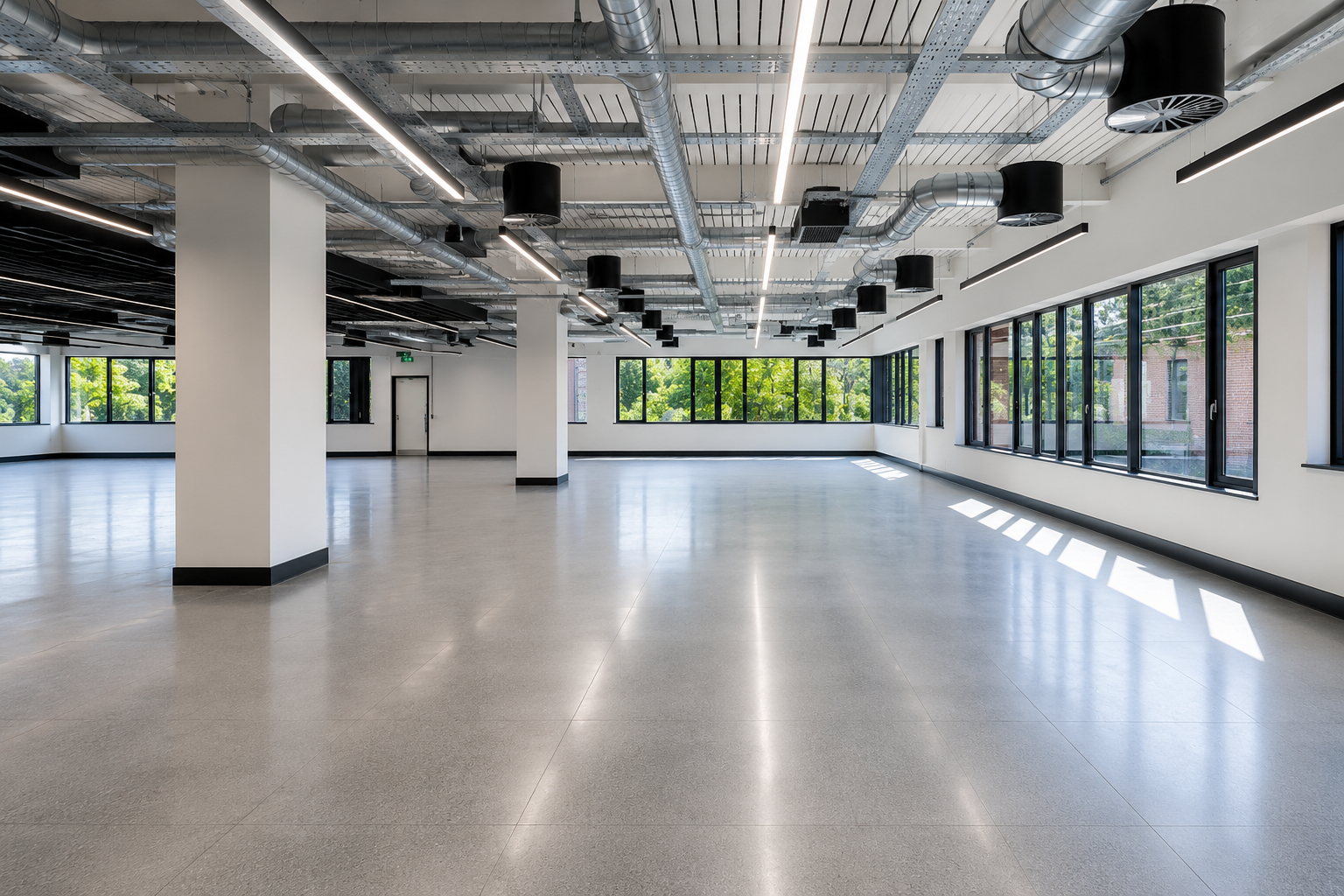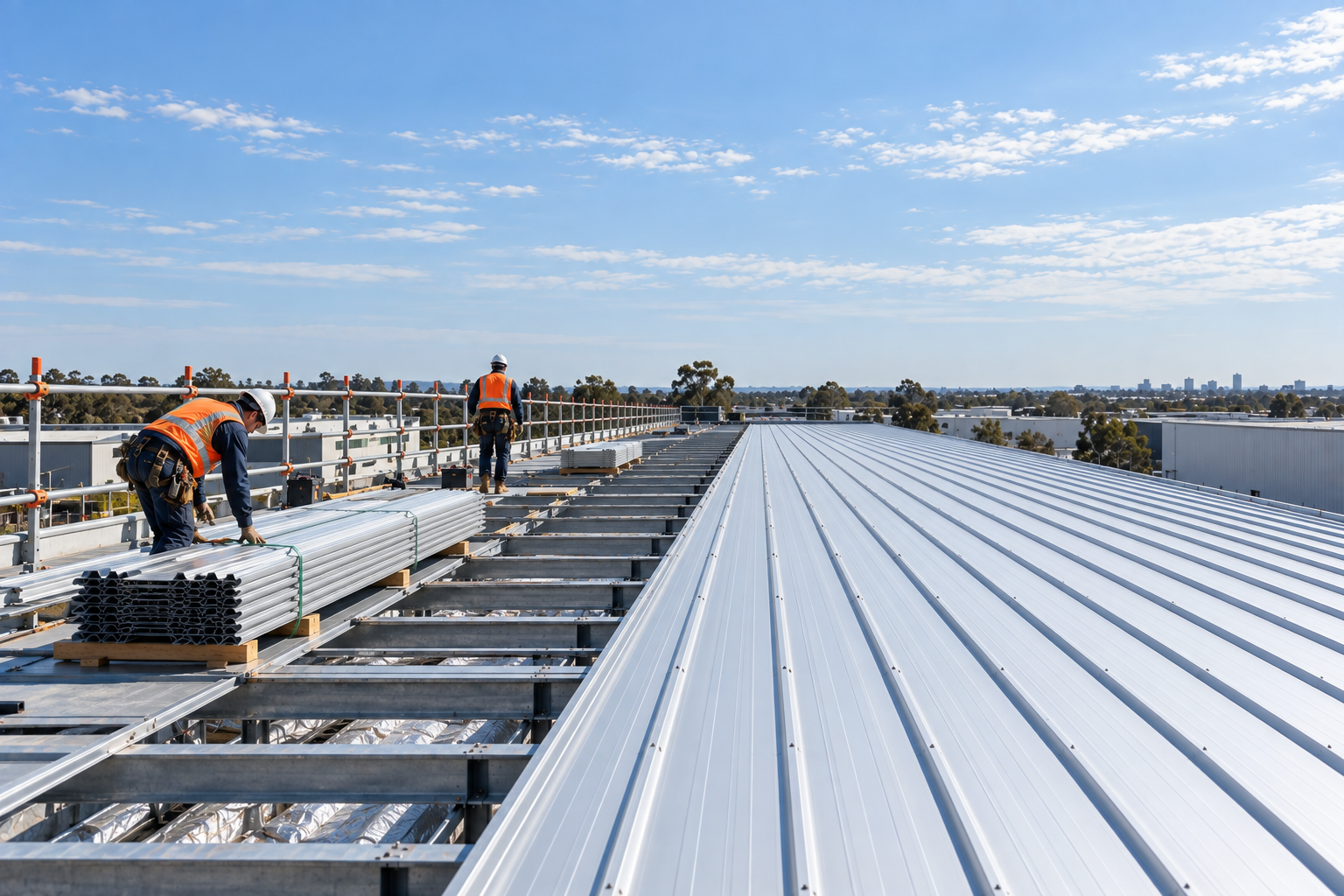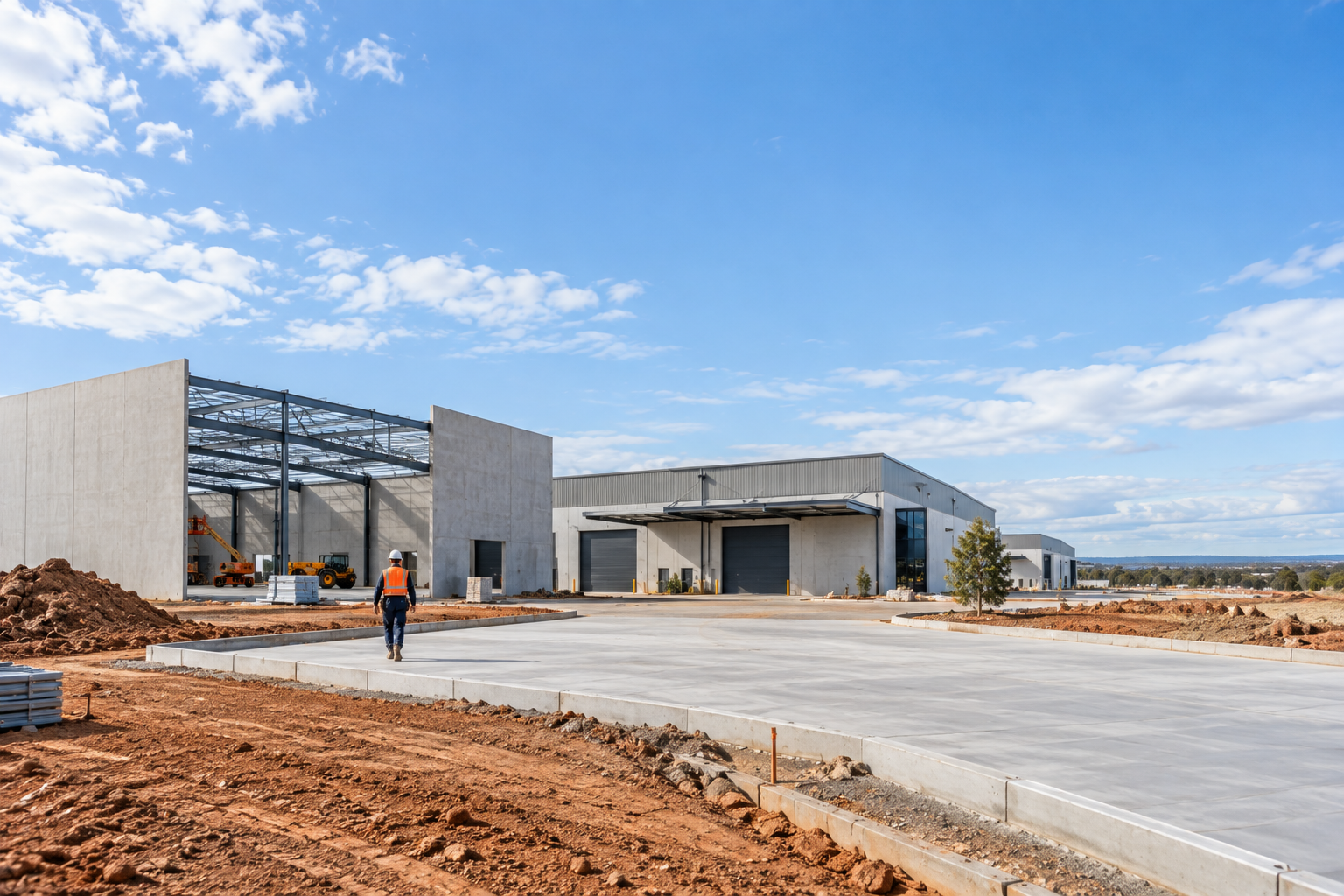


Insurance rectification is the process of repairing a storm or hail-damaged building and restoring it to its pre-loss condition under an insurance claim. For a commercial roof, it runs from making the building safe and watertight, through assessment and scoping with the insurer, to the actual reinstatement works. The owner's job is to document the damage, lodge the claim and appoint a builder who can manage the works. A builder who handles the whole rectification under one point of contact takes the coordination burden off a building manager at a stressful time.
Key Takeaways
- Insurance rectification restores a damaged commercial building to its pre-loss condition.
- The first priority is making the building safe and watertight to prevent further damage.
- Document the damage thoroughly before any works begin, for the claim.
- The insurer assesses the claim and agrees a scope of works before reinstatement.
- A single builder managing the rectification reduces stress and delays.
- Keeping records of roof maintenance strengthens a storm claim.
What is insurance rectification?
Insurance rectification is building work carried out to repair insured damage and return a property to the condition it was in before the loss. For a commercial roof hit by storm or hail, this means repairing or replacing damaged roofing, fixing resulting water damage inside, and reinstating any affected services or finishes. The works are scoped and agreed with the insurer as part of the claim, then carried out by a builder.
The key phrase is pre-loss condition. Rectification is not an upgrade or a renovation. It restores what was damaged to what it was before, to the standard required by the policy and current building requirements.
How does insurance rectification work after storm damage?
Insurance rectification works in a clear sequence, from making the building safe to final reinstatement. Understanding the sequence helps an owner act in the right order and avoid mistakes that can complicate a claim. The steps below are the typical path.
- Make safe. Secure and weatherproof the building to prevent further damage, for example with temporary roof protection.
- Document the damage. Photograph and record everything before works begin, as evidence for the claim.
- Lodge the claim. Notify the insurer and provide the documentation and any maintenance records.
- Assessment and scope. The insurer assesses the claim, often with an assessor, and a scope of works is agreed.
- Reinstatement. The builder carries out the agreed works, restoring the building to pre-loss condition.
- Completion and sign-off. The works are completed, documented and handed back.
| Stage | Who leads | Owner's role |
|---|---|---|
| Make safe | Builder | Authorise protective works |
| Document | Owner / builder | Capture evidence |
| Lodge claim | Owner | Provide records |
| Scope | Insurer / assessor | Agree the works |
| Reinstatement | Builder | Stay informed |
Why is making the building safe the first step?
Making the building safe is the first step because further water entry after a storm can turn a contained problem into a far larger claim. A damaged roof left open lets rain into ceilings, walls, stock and electrical systems, multiplying the damage and the cost. Acting quickly to weatherproof the building protects both the asset and the claim.
This is reinstatement and protection work, not an emergency callout service. The priority is to stabilise the building so that proper assessment and repair can follow in an orderly way.
What should a building owner do after storm damage?
A building owner should make the building safe, document everything and lodge the claim promptly, in that order. Acting methodically protects the claim and speeds up the repair. The actions below are what matters most in the first days after damage.
- Protect the building from further water entry as soon as it is safe to do so.
- Photograph the damage widely and in detail before anything is moved or repaired.
- Keep records of the roof's age and any maintenance, which support the claim.
- Notify the insurer promptly and follow their claim process.
- Appoint a builder who can manage the rectification and work with the insurer.
Australian insurers handle large volumes of storm and weather claims each year, and well-documented claims with a clear scope move faster. (Insurance Council of Australia)
How does a single builder make rectification easier?
A single builder makes rectification easier by managing the whole process and giving the owner one point of contact through a stressful period. Instead of coordinating separate trades, chasing assessors and tracking progress, the owner deals with one project manager who owns the job from making safe to final sign-off. This is the core of Gladison's managed model.
For a time-poor building manager, this matters most when the building is damaged and tenants or trading are affected. One accountable builder keeps the works, the programme and the insurer communication aligned, so the building is restored with the least possible disruption.
Common mistakes after commercial storm damage
The most common mistake is starting permanent repairs before the damage is documented and the claim is scoped. Repairing too soon can remove the evidence the insurer needs and complicate the claim. The errors below cause the most trouble.
- Clearing or repairing damage before photographing it for the claim.
- Leaving the building exposed, allowing further water damage.
- Losing or never keeping roof maintenance records that support the claim.
- Engaging multiple separate trades with no single point of accountability.
Frequently Asked Questions
What is insurance rectification?
Insurance rectification is building work that repairs insured damage and restores a property to its pre-loss condition under a claim. For a storm-damaged commercial roof, this covers repairing or replacing the roof, fixing resulting interior water damage, and reinstating affected finishes and services. The scope is agreed with the insurer before the works are carried out.
What should I do first after my commercial roof is storm damaged?
Make the building safe and watertight first, so further rain cannot cause additional damage. Then photograph and document the damage thoroughly before any repairs, and notify your insurer. Acting in this order protects both the building and your claim, and gives the insurer the evidence needed to assess it.
Should I repair the damage before lodging a claim?
Do not carry out permanent repairs before documenting the damage and agreeing the scope with your insurer. Protective works to make the building safe are appropriate and expected, but permanent repairs done too early can remove evidence the insurer needs. Photograph everything first, then follow the claim process.
Who decides what work the insurance covers?
The insurer decides what the policy covers, usually after assessing the claim, sometimes with an assessor. A scope of works is then agreed, defining the reinstatement to pre-loss condition. A builder experienced in rectification can work with the insurer on the scope, but the cover itself is determined by the policy and the insurer.
Can the same builder handle both the roof and the interior damage?
Yes, a single builder can manage the whole rectification, from the roof through to interior water damage and finishes. Using one builder means one point of contact and one party accountable for the result, which reduces delays and stress. This is generally easier than coordinating separate trades during a claim.
How long does insurance rectification take?
Insurance rectification timelines depend on the extent of damage, the claim assessment and the scope agreed with the insurer. Making the building safe happens quickly, while full reinstatement can take from days to several weeks depending on the works. A builder can give a realistic programme once the scope is agreed.
Disclaimer: This article is general information only and does not constitute legal, insurance or financial advice. It does not replace advice specific to your building, claim or insurance policy. Cover, claim processes and entitlements vary by insurer and policy. Confirm the details of your cover and claim with your insurer or a qualified professional, and request a detailed quote for any rectification works.
Written by William Johnstone, Editor at Gladison Constructions. William edits Gladison's Construction Insights, drawing on the team's experience restoring and maintaining commercial buildings across Sydney and NSW. Last updated: June 2026.