
The Western Sydney Aerotropolis is the planned city around Western Sydney International (Nancy-Bird Walton) Airport, and it is becoming one of the largest commercial and industrial construction across Sydney opportunities in NSW. The airport opens to freight on 26 July 2026 and to passengers on 25 October 2026, anchoring a precinct with more than $26 billion in private development applications and up to 1.4 million square metres of planned industrial and commercial floor space. For owners, developers and businesses across Western Sydney, this means sustained demand for warehouses, fitouts, refurbishments and new commercial buildings for years to come.
Key Takeaways
- The Aerotropolis is the new city precinct around Western Sydney International Airport.
- The airport opens to freight on 26 July 2026 and passengers on 25 October 2026 (PM, 2026).
- More than $26 billion in private development applications is already in the precinct.
- The master plan allows up to 1.4 million square metres of industrial and commercial floor space.
- The completed M12 Motorway has improved freight connectivity to the precinct.
- Growth creates demand for warehouses, fitouts and commercial works of every size.
What is the Western Sydney Aerotropolis?
The Western Sydney Aerotropolis is a NSW Government priority growth precinct built around the new Western Sydney International Airport at Badgerys Creek. An aerotropolis is a city shaped around an airport, where logistics, manufacturing, commercial and residential development cluster to take advantage of freight and passenger connectivity. The precinct is planned to deliver hundreds of thousands of jobs over coming decades and is already attracting major private investment. (NSW Planning, 2026)
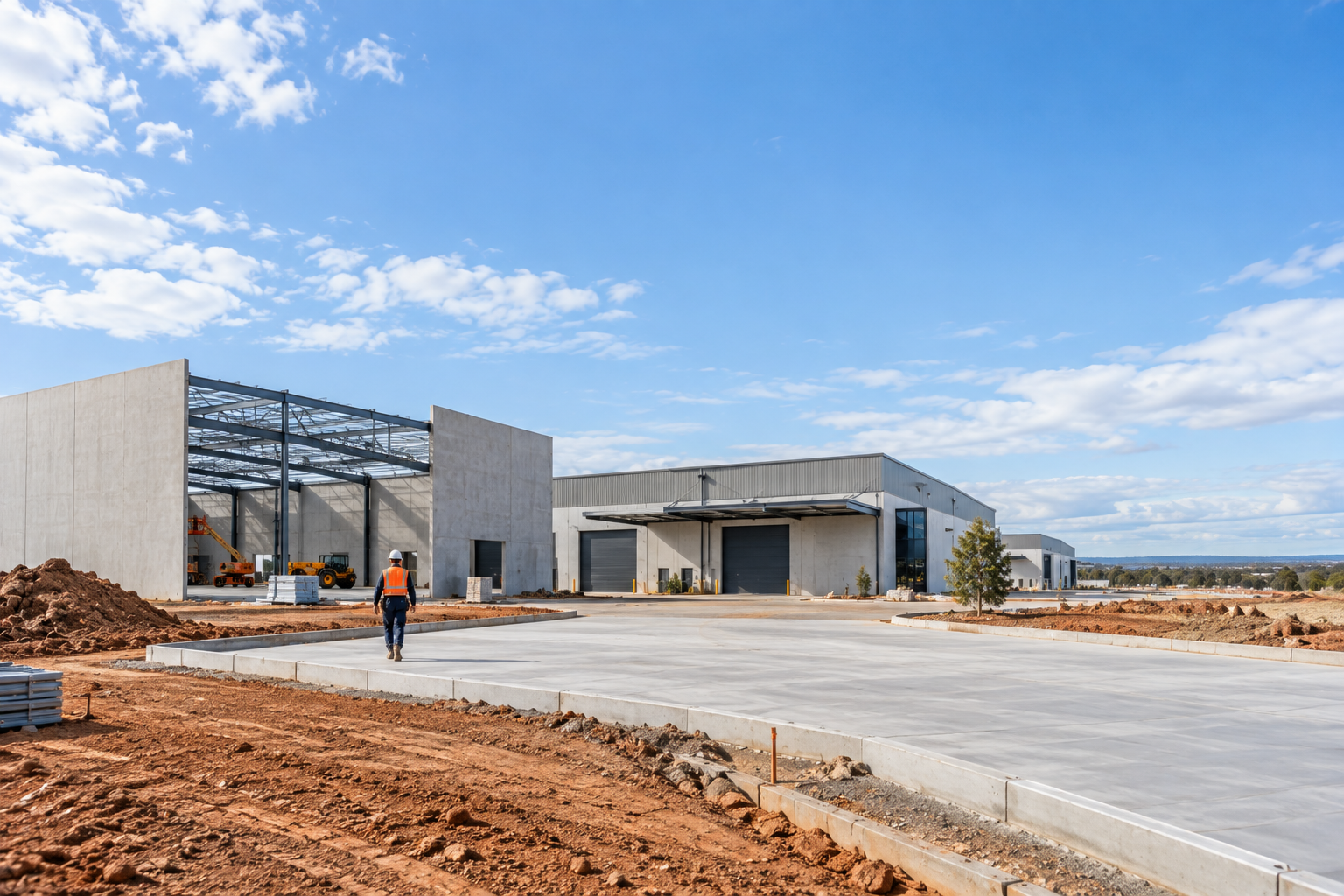
For the construction industry, the Aerotropolis is significant because it concentrates a large volume of commercial and industrial building work in one part of Greater Sydney over a sustained period. That work ranges from major warehouses to small tenancy fitouts.
When does the new airport open?
Western Sydney International Airport opens to freight on 26 July 2026 and to passengers on 25 October 2026. The Prime Minister confirmed these dates, with Jetstar to fly the first commercial passenger service. The airport is located at Badgerys Creek, about 44 kilometres from the Sydney CBD. (Prime Minister of Australia, 2026)
The opening matters to builders because it is the trigger for the precinct's transition from planning to active construction and occupation. Businesses positioning around the airport need premises ready, which drives fitout, refurbishment and new-build demand.
Why does the Aerotropolis matter for commercial and industrial construction?
The Aerotropolis matters because it represents one of the largest concentrations of commercial and industrial construction demand in NSW, sustained over many years. The precinct has attracted more than $26 billion in private development applications, and the master plan allows for up to 1.4 million square metres of gross floor area, much of it large-scale warehouse and industrial buildings supporting freight and supply chains. (Cushman & Wakefield, 2026)
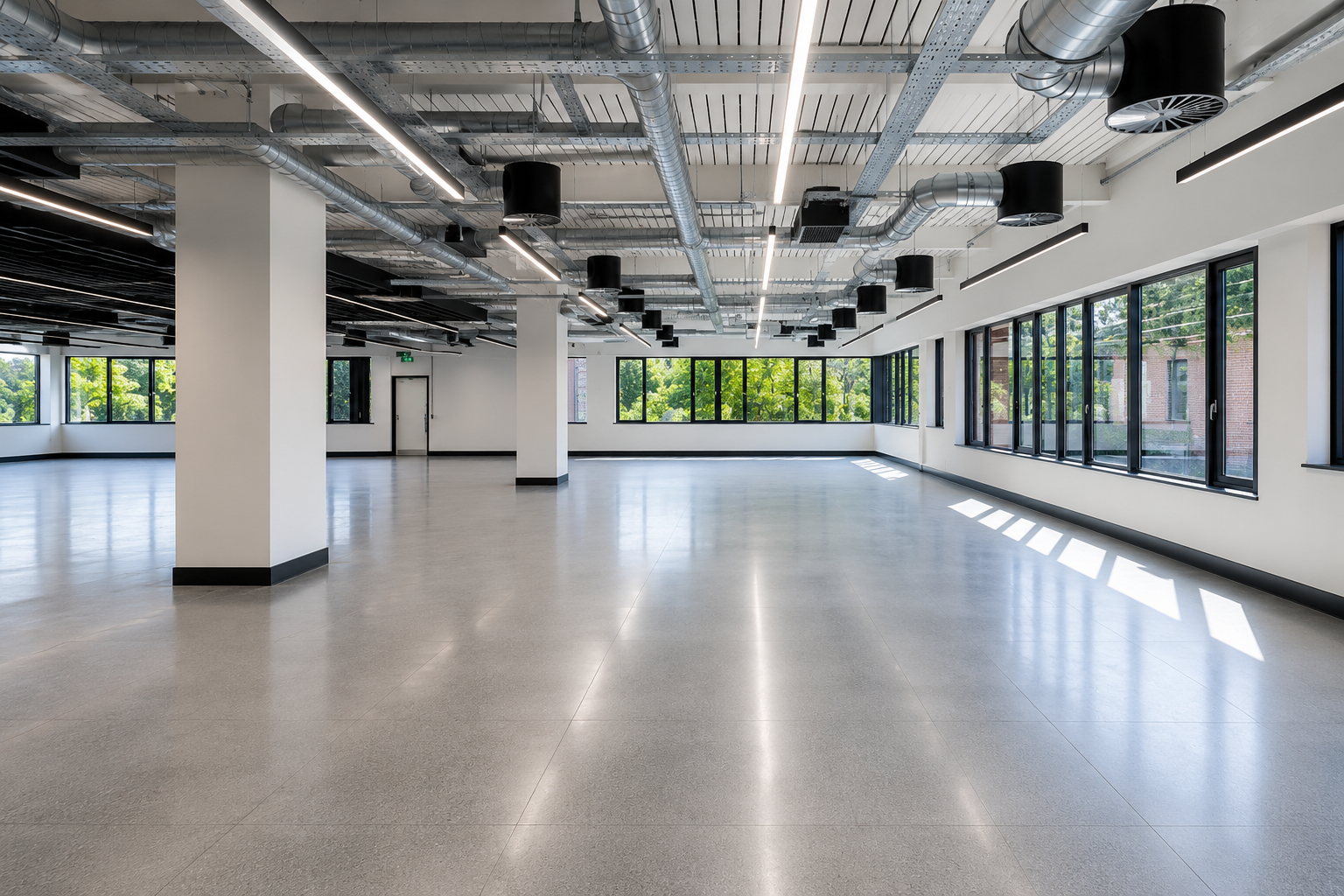
This demand is not limited to mega-projects. As businesses move in and grow, they need office fitouts, warehouse upgrades, refurbishments and smaller new builds. That is where most owners and many builders actually operate.
| Opportunity | Typical work | Who it suits |
|---|---|---|
| New industrial premises | Warehouses, factories, workshops | Developers, owner-occupiers |
| Business relocation | Office and warehouse fitouts | Tenants and businesses moving in |
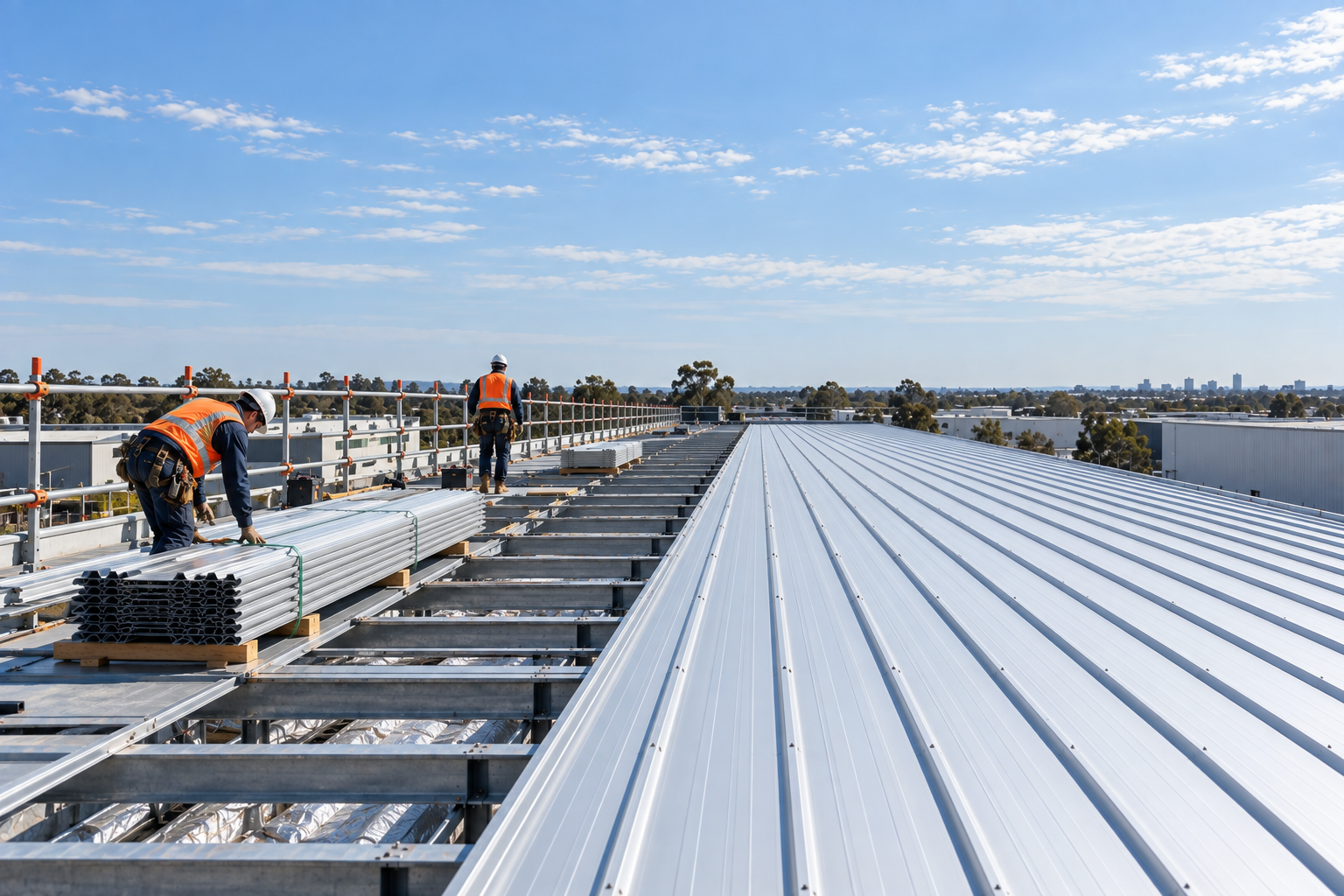
| Upgrades to existing stock | Refurbishments, roofing, concrete | Owners of nearby industrial property |
| Supporting commercial | Retail, hospitality, offices | Investors serving the new workforce |
How does improved infrastructure change the equation?
Improved road infrastructure has made the Aerotropolis more viable for industrial development by cutting freight travel time and friction. The completion of the M12 Motorway has materially improved connectivity between the airport and Sydney's broader freight network, which strengthens the precinct's role in national supply chains. (Cushman & Wakefield, 2026)
Better connectivity raises land and building demand, because logistics operators value sites that move freight quickly. For owners of existing industrial property in Western Sydney, this can lift both the value and the case for upgrading older buildings.
What should Western Sydney owners and businesses plan for?
Owners and businesses should plan for rising demand, tighter trade availability and higher expectations on building quality and sustainability. As activity concentrates in the precinct, specialist trades get busier and lead times stretch, so early planning pays off. The points below are worth factoring into any Western Sydney project over the next few years.
- Book early: trade demand across the precinct will tighten programmes, so plan and price works ahead of need.
- Build to current and coming standards: NCC 2025 commences in NSW on 1 May 2027, with higher energy and solar requirements for new commercial and industrial buildings.
- Right-size the builder: many works in the precinct are commercial and industrial projects suited to a Tier 3 builder, not only the major airport contracts.
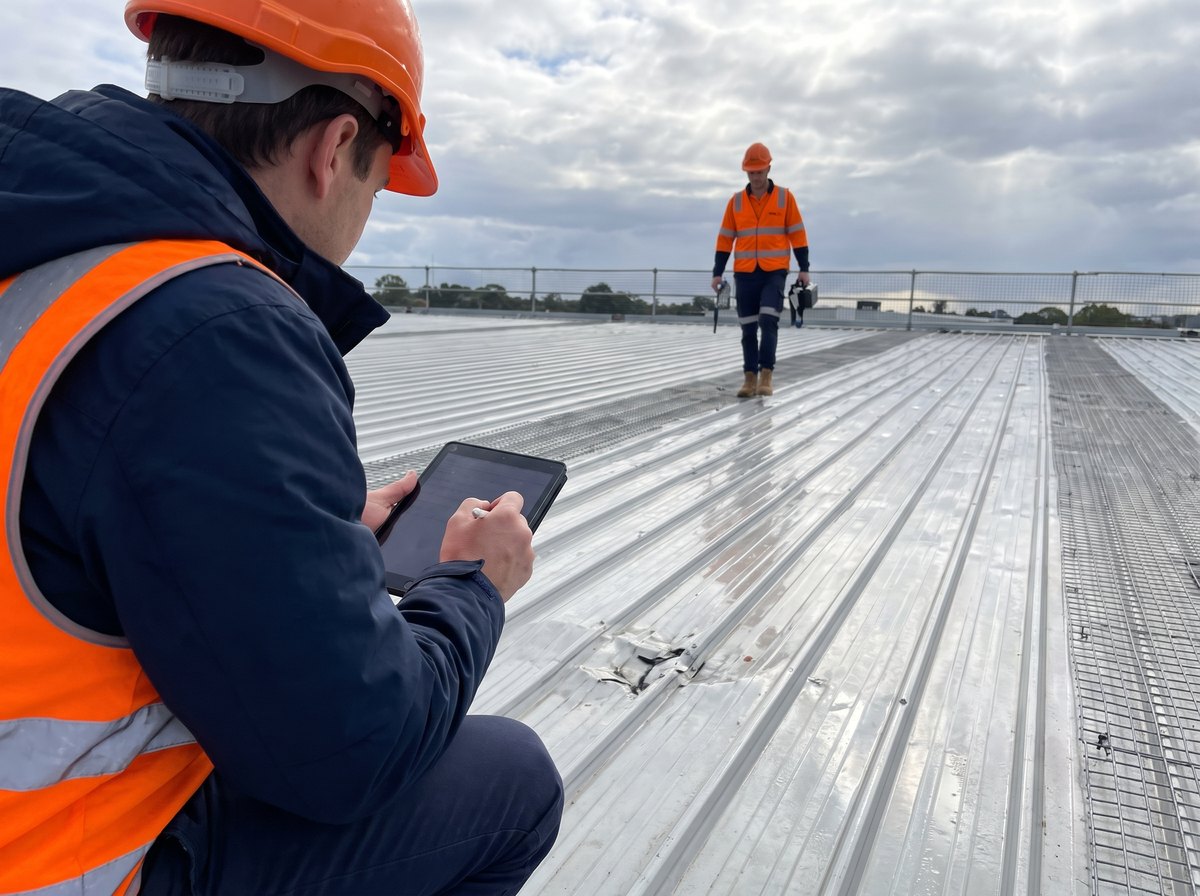
- Plan for staging: upgrades to occupied industrial buildings need staging to keep operations running.
For most owners, the practical opportunity is the commercial and industrial work the precinct creates around the headline projects, managed by a builder who handles the whole job under one point of contact.
Common misconceptions about building in the Aerotropolis
The most common misconception is that the Aerotropolis is only about the airport and major contractors. In reality, the precinct's growth creates a long tail of commercial and industrial work of every size, from warehouse fitouts to office refurbishments. The misunderstandings below can cost owners time and money.
- Assuming all the work is mega-scale and out of reach for a mid-sized project.
- Treating the airport opening as the end of the opportunity rather than the start.
- Underestimating how quickly trade availability tightens in a hot precinct.
- Designing new industrial buildings without allowing for NCC 2025 solar and energy rules.
Frequently Asked Questions
When does Western Sydney International Airport open?
Western Sydney International Airport opens to freight on 26 July 2026 and to passengers on 25 October 2026. The airport is at Badgerys Creek, around 44 kilometres west of the Sydney CBD. The opening is the trigger for the surrounding Aerotropolis precinct to move from planning into active construction and occupation.
What is being built in the Western Sydney Aerotropolis?
The Aerotropolis master plan allows for up to 1.4 million square metres of floor space, much of it large-scale warehouse and industrial buildings supporting freight and supply chains. Alongside these, the precinct will generate office fitouts, refurbishments, retail, hospitality and smaller commercial works as businesses move in and grow.
Is the Aerotropolis only for large construction companies?
No. While the airport itself involves major contractors, the surrounding growth creates commercial and industrial work of every size. Warehouse fitouts, office refurbishments, roofing, concrete and smaller new builds are well suited to a Tier 3 commercial builder managing projects up to $20M, not only Tier 1 firms.
How does the M12 Motorway affect industrial development?
The completed M12 Motorway improves connectivity between the airport and Sydney's freight network, reducing travel friction and strengthening the precinct's role in supply chains. Better connectivity raises demand for industrial sites and can increase both the value and the upgrade case for existing industrial buildings in Western Sydney.
Should I upgrade my Western Sydney industrial building now?
Upgrading now can make sense if the precinct's growth raises demand for quality, well-located industrial space. Roofing, concrete, refurbishment and fitout works can lift a building's value and appeal to incoming tenants. The right timing depends on your building and budget, which is worth assessing with a builder before trades tighten.
Will NCC 2025 affect new buildings in the Aerotropolis?
Yes. NCC 2025 commences in NSW on 1 May 2027 and sets higher energy efficiency and mandatory solar requirements for most new commercial and industrial buildings. New industrial premises in the precinct designed around that date should allow for these requirements early to avoid costly redesign.
Disclaimer: This article is general information only and is not professional, financial or regulatory advice. Project figures, timelines and building requirements such as the National Construction Code can change and depend on your specific project. Confirm how they apply to your situation with the relevant authority or a qualified professional, and request a detailed quote before proceeding with any works.
Written by William Johnstone, Editor at Gladison Constructions. William edits Gladison's Construction Insights, drawing on the team's commercial and industrial construction experience across Greater Sydney. Last updated: June 2026.